Archives
- 2026-01
- 2025-12
- 2025-11
- 2025-10
- 2025-09
- 2025-03
- 2025-02
- 2025-01
- 2024-12
- 2024-11
- 2024-10
- 2024-09
- 2024-08
- 2024-07
- 2024-06
- 2024-05
- 2024-04
- 2024-03
- 2024-02
- 2024-01
- 2023-12
- 2023-11
- 2023-10
- 2023-09
- 2023-08
- 2023-07
- 2023-06
- 2023-05
- 2023-04
- 2023-03
- 2023-02
- 2023-01
- 2022-12
- 2022-11
- 2022-10
- 2022-09
- 2022-08
- 2022-07
- 2022-06
- 2022-05
- 2022-04
- 2022-03
- 2022-02
- 2022-01
- 2021-12
- 2021-11
- 2021-10
- 2021-09
- 2021-08
- 2021-07
- 2021-06
- 2021-05
- 2021-04
- 2021-03
- 2021-02
- 2021-01
- 2020-12
- 2020-11
- 2020-10
- 2020-09
- 2020-08
- 2020-07
- 2020-06
- 2020-05
- 2020-04
- 2020-03
- 2020-02
- 2020-01
- 2019-12
- 2019-11
- 2019-10
- 2019-09
- 2019-08
- 2019-07
- 2019-06
- 2019-05
- 2019-04
- 2018-11
- 2018-10
- 2018-07
-
Normally the activity of the lyase
2024-09-13
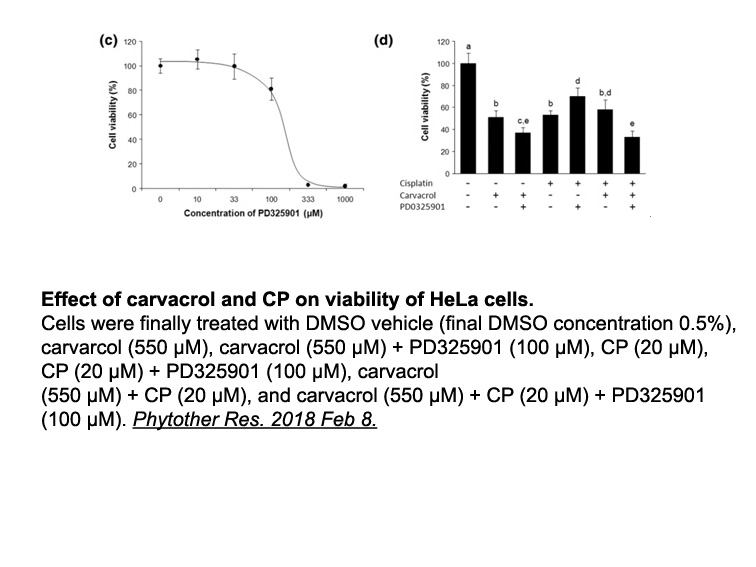
Normally, the activity of the 17,20-lyase increases with the onset of adrenarche [7], [8], [15]. Adrenarche has previously been perceived as a relatively sudden event, occurring physiologically between 6 and 8years of age. However, results from our laboratory clearly indicated that adrenarche is a c
-
Previously several genes such as cytokine Lyu
2024-09-13
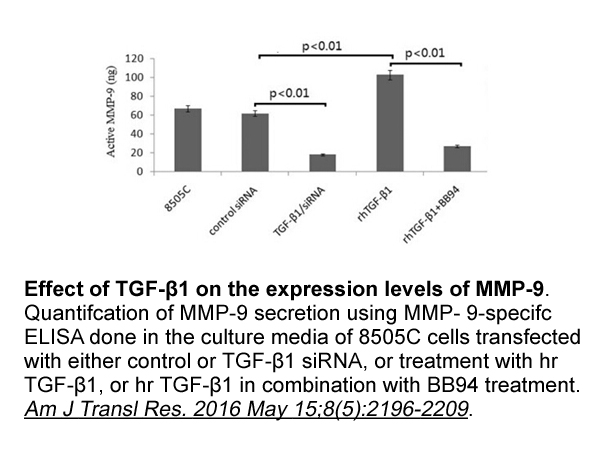
Previously, several genes such as cytokine (Lyu and Park, 2007), cell motility-associated genes (Schotterl et al., 2017), transforming growth factor-β (TGF-β), TGF-β receptor II which is a cell surface receptor with serine/threonine kinase activity (Jiang et al., 2014, Schotterl et al., 2017), cell
-
br Acknowledgement This work was funded by
2024-09-13
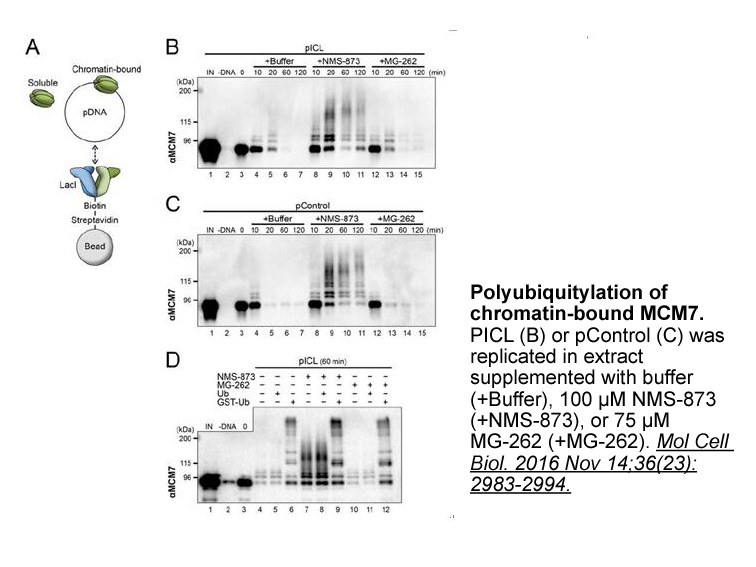
Acknowledgement This work was funded by NIH/NINDS grant number NS080967 to C. Waites. Introduction Macro-autophagy also called autophagy is a conserved pathway for the lysosomal degradation and recycling of intracellular materials. It is instrumental for the homeostasis of cells and tissues a
-
br Acknowledgments This work was supported by the
2024-09-13
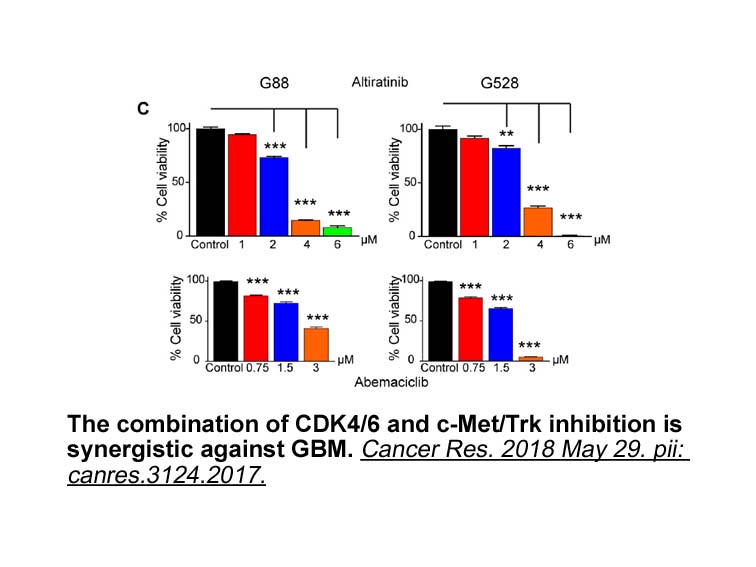
Acknowledgments This work was supported by the Swiss National Science Foundation. 15-Lipoxygenase 1 (15-LOX-1) is a nonheme, iron-containing enzyme predominantly expressed in reticulocytes, eosinophils, macrophages, mast cells, and bronchial epithelial cells . 15-LOX-1 is a key enzyme involved
-
br Dysregulated aromatase expression the link
2024-09-13

Dysregulated aromatase expression: the link between obesity and breast cancer Obesity has been associated with abnormally high expression of the enzyme aromatase in the breast, influencing the local production and bioavailability of estrogens (Morris et al, 2011, Subbaramaiah et al, 2012). Bowers
-
To further investigate the role of cholesterol in the Rh
2024-09-13
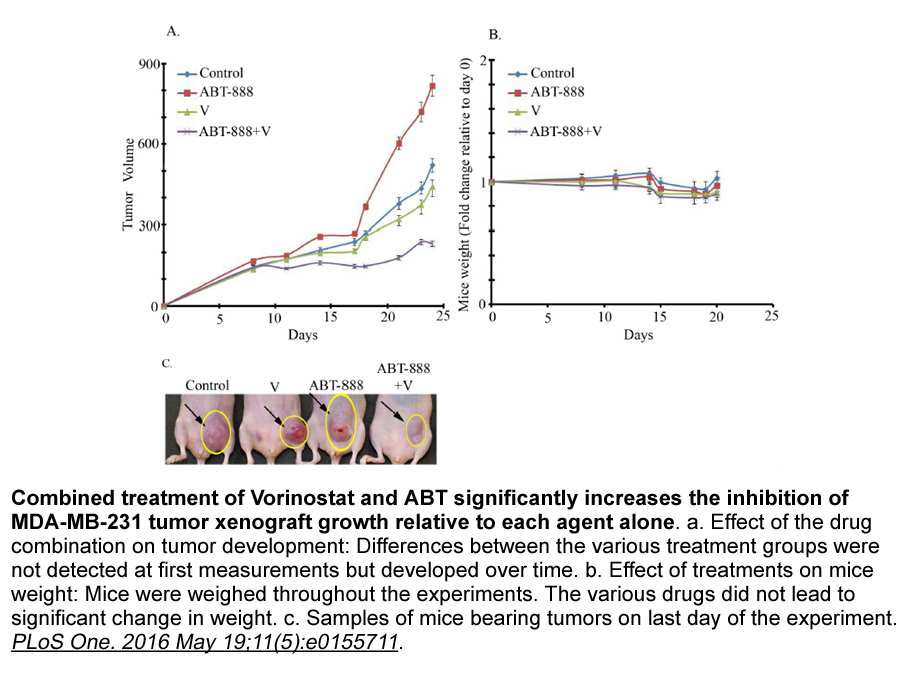
To further investigate the role of cholesterol in the Rh2-induced cytotoxicity, we then focused on the U937 cell line, which is cholesterol auxotroph and considered as a valuable model to study the importance of cholesterol in membrane structure and function (Billheimer et al., 1987), and used the e
-
To enhance the accuracy of SEs in eliminating cancer cells
2024-09-13
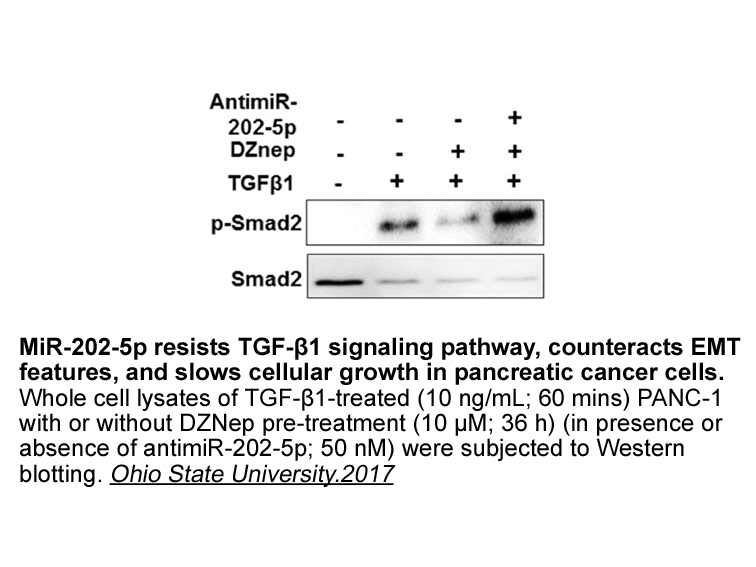
To enhance the accuracy of SEs in eliminating cancer cells, the mAb recognized by specific Syringin on tumor cells were fused with SEs. Fab C215 or C242 fused with SEA promoted apoptosis in human colon carcinoma cells via Fas (Dohlsten et al., 1994, Litton et al., 1996). SEB-incorporated exosomes w
-
Over expression of the inflammatory cytokines MMPs
2024-09-13
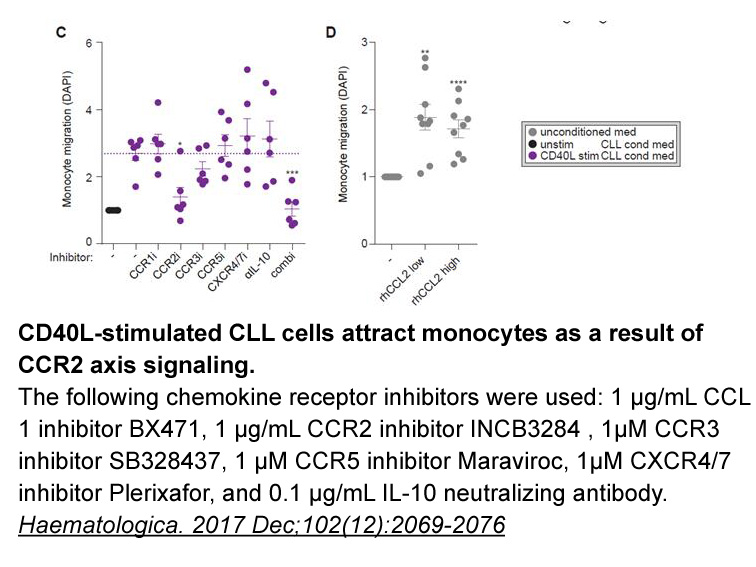
Over expression of the inflammatory cytokines, MMPs and COX-2 act as an important inducer of chronic inflammation. COX-2 catalyzes the biosynthesis of prostaglandins (PGs), and induced expression was observed in VTX-2337 stimulated with pro-inflammatory cytokines or bacterial lipopolysaccharide (Kh
-
Furthermore a recently published network meta analysis inclu
2024-09-13
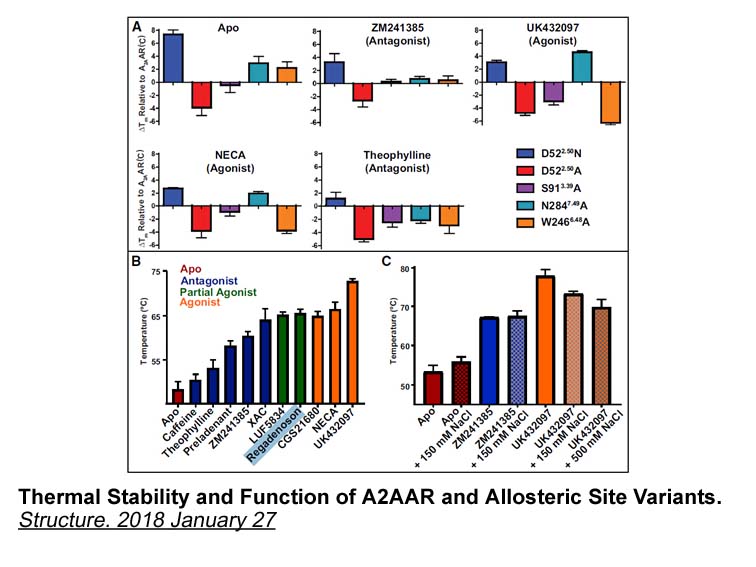
Furthermore, a recently published network meta-analysis including 30 trials in patients with hypertension and diabetes demonstrated that ARBs have efficacy similar to that of ACEIs for all-cause and cardiovascular mortality (HR 0.95, 95% CI 0.73 to 1.30 and HR 1.23, 95% CI 0.64 to 2.78, respectively
-
AMPK is a central regulator of
2024-09-13
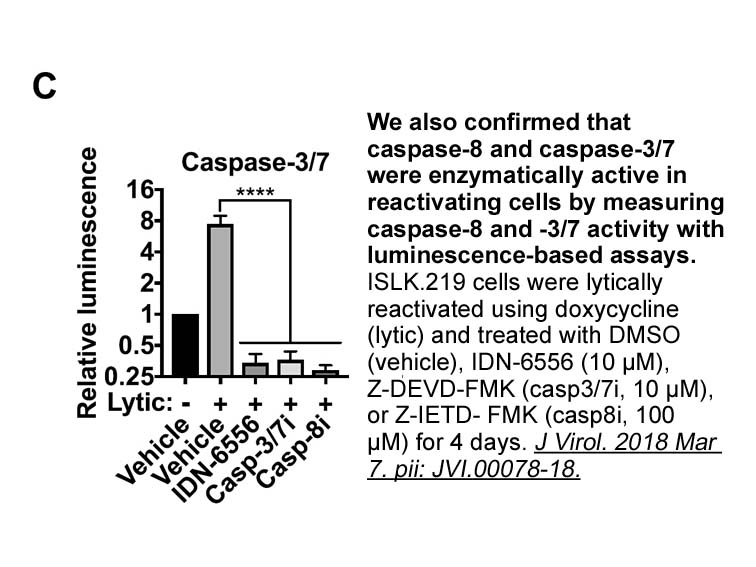
AMPK is a central regulator of cell growth, migration, metabolism, autophagy, and cell polarity [20], [21], [22], [23]. It is highly conserved in eukaryotes and functions as the primary sensor of intracellular adenosine nucleotides [24]. When intracellular ATP levels decrease, AMPK is activated to g
-
Although AMPK is a negative regulator of bioenergetic reprog
2024-09-13
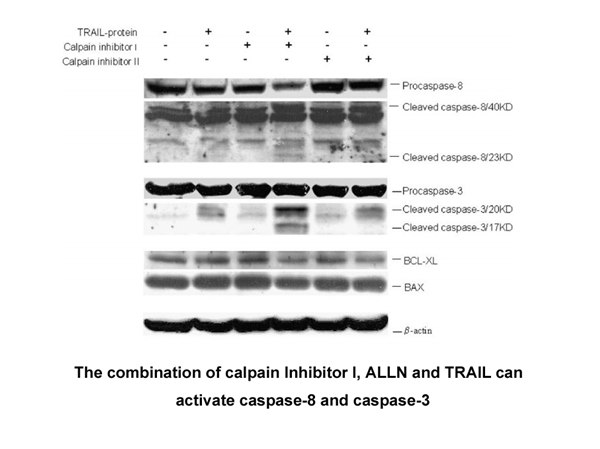
Although AMPK is a negative regulator of bioenergetic reprogramming in cancer cells, little is known about the role of AMPK in immunometabolism in sepsis. Our current study indicates that AMPKα dysfunction enhances PKM2-dependent aerobic glycolysis, which results in HMGB1 release in macrophages and
-
To further demonstrate the significance of
2024-09-12
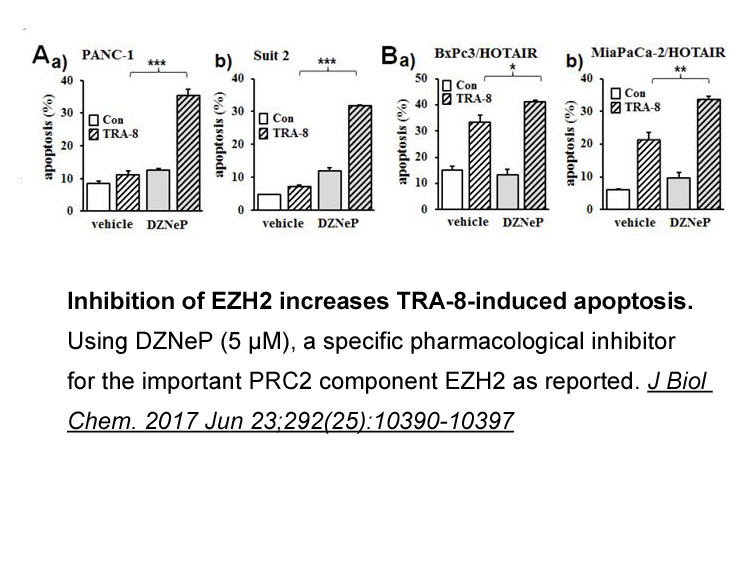
To further demonstrate the significance of Nrf2 activation in the prevention of EGF-induced CRC growth by AR inhibitor, we examined the effect of fidarestat on EGF-induced cell viability in Nrf2-ablated cells. Our results suggest that AR inhibitor prevented the EGF-induced cell viability in control
-
It thus appeared reasonable that
2024-09-12
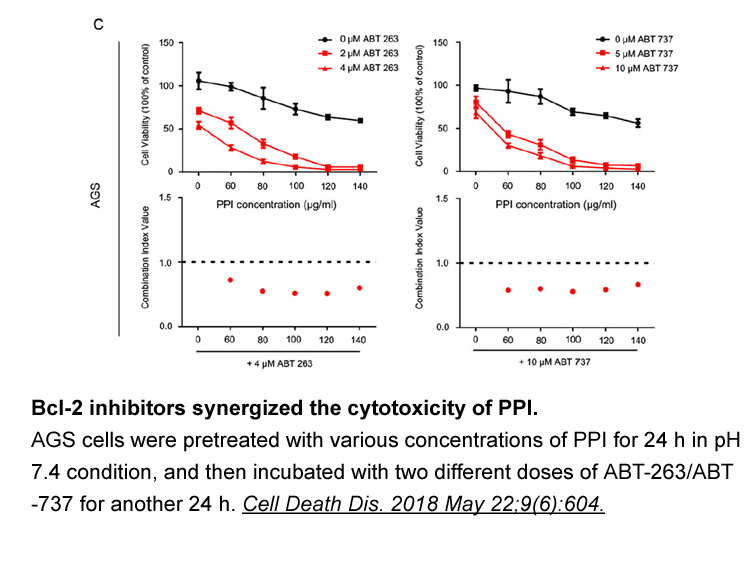
It thus appeared reasonable that AR needed to be inhibited and great experimental efforts began which are still on-going [6]. Indeed, hundreds of ARIs have been characterized but no significant drug development has followed. The case of Sorbinil, which did not pass clinical trials is emblematic [7]
-
Although several studies indicate that ALDH
2024-09-12
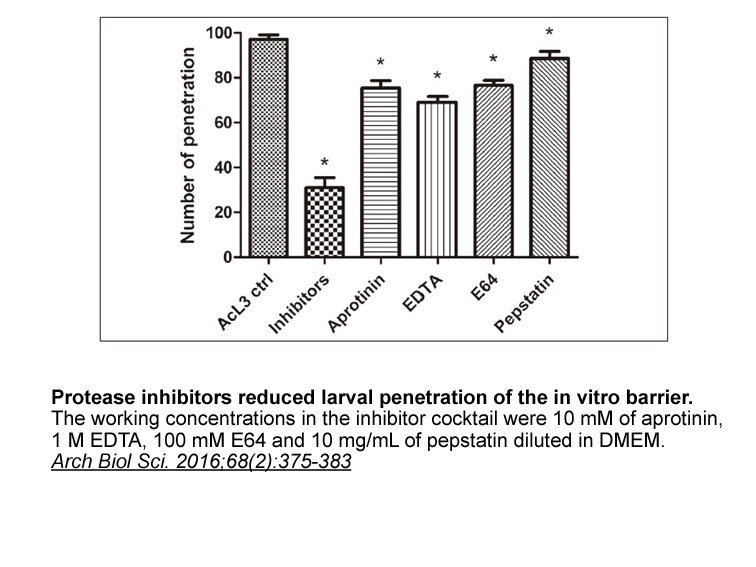
Although several studies indicate that ALDH2 protects the heart from injury and maladaptive remodeling (reviewed in [11], [12], [13]), accumulating evidence indicates that deficiency of the enzyme could be protective as well. For example, mice expressing the defective Aldh2*2 mutation show lower ald
-
br Conflict of interest br Introduction
2024-09-12

Conflict of interest Introduction The Piezo proteins, Piezo1/FAM38A and Piezo2/FAM38B, are multi-pass transmembrane proteins that have been identified as mechanically-activated (MA) homomultimeric, pore-forming ion channels [1,2]. Piezo1 is broadly expressed with its highest expression in blad
15988 records 91/1066 page Previous Next First page 上5页 9192939495 下5页 Last page